Back — Dear Friend: – Am glad you have not for gotten about that photo. Rec’d the card some time ago. Thanks! You ought to see my new Baby Leta.
Postcard Information
Postmark: Guide Rock, Neb., NOV 22 1909
Sent To: La Harpe IL
Era: Golden Age (1907–1915)
Publisher: P. T. Martin, Guide Rock, Nebraska
Stamp: 1¢
Distance Traveled: ~420 miles
About This Card
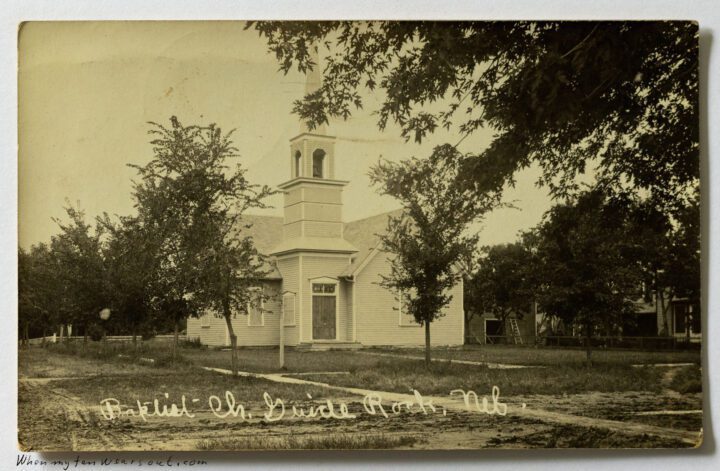
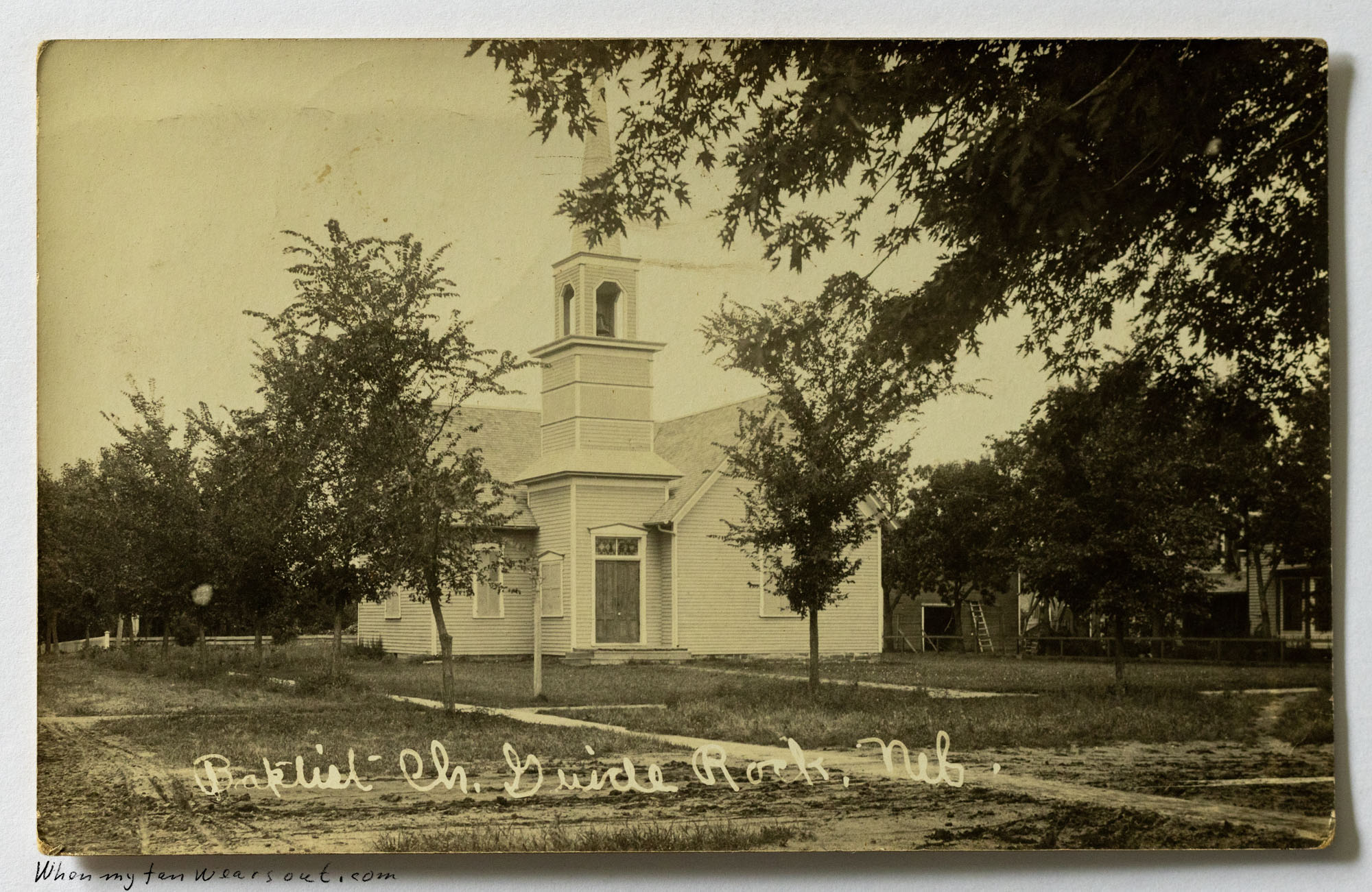
Guide Rock, Nebraska is a small town in Webster County on the Republican River, named for a prominent Pawnee rock outcropping along the riverbank that served as a landmark and gathering site for generations before European settlement. The town sits in the heart of what Willa Cather called the “Divide” — the upland prairie between the Republican and Little Blue rivers that formed the landscape of her earliest fiction. Red Cloud, Nebraska, where Cather grew up, is about fifteen miles to the east. Leta’s card of the Baptist Church is modest — a white clapboard building, a few trees — but the surrounding country was anything but ordinary.
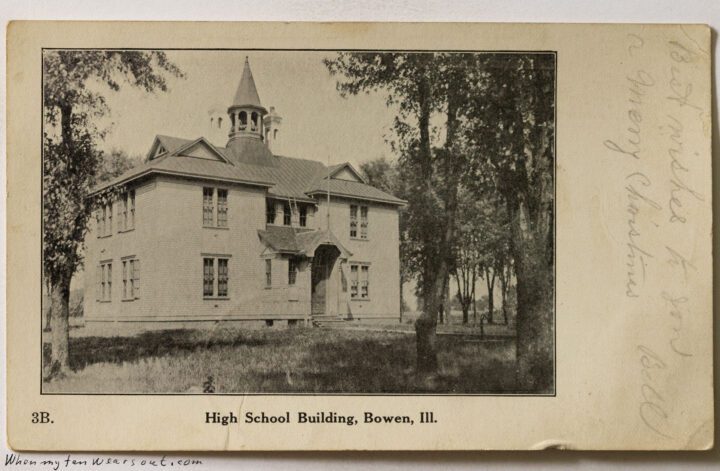
Back — How did you enjoy your peice of a day in the city? Had a fine time mon. but was all in Tues. Came down to Wever Tues eve + am surrounded by water. Will have to live on an island until the creek goes down I guess. Dont know when you will get this as the mail man cant get out now. Dont tell Ada I sent this either. As Ever Pearle Byers.
Postcard Information
Postmark: Burlington, IA, JUL 9 1909
Sent To: La Harpe IL
Era: Golden Age (1907–1915)
Publisher: Record Pennant Co., Muscatine, Iowa
Print Origin: Printed in America
Stamp: 1¢ — Features profile of Benjamin Franklin.
Back — Am mailing you a package now and will mail the other as soon as it comes. Had to order it "dont you, know". This is not a "toast" but heres to hoping the week and Sat night Jan 8 will find Hallie and I on our way to the big city E P B.
Postcard Information
Postmark: Carthage, ILL., DEC 31 1909
Sent To: La Harpe IL
Era: Golden Age (1907–1915)
Stamp: 1¢
Distance Traveled: ~15 miles
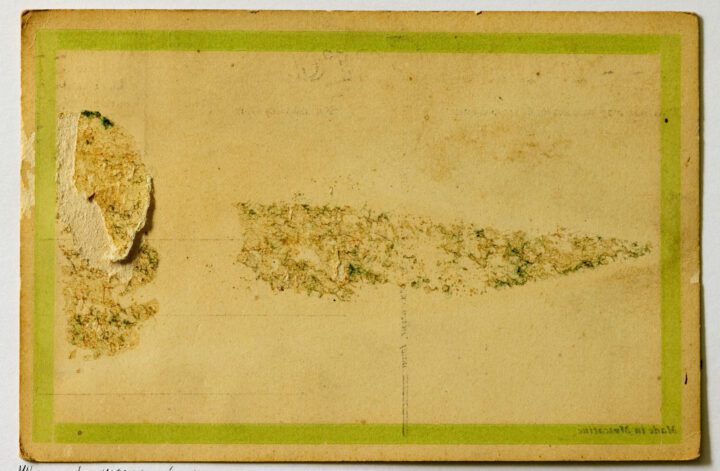
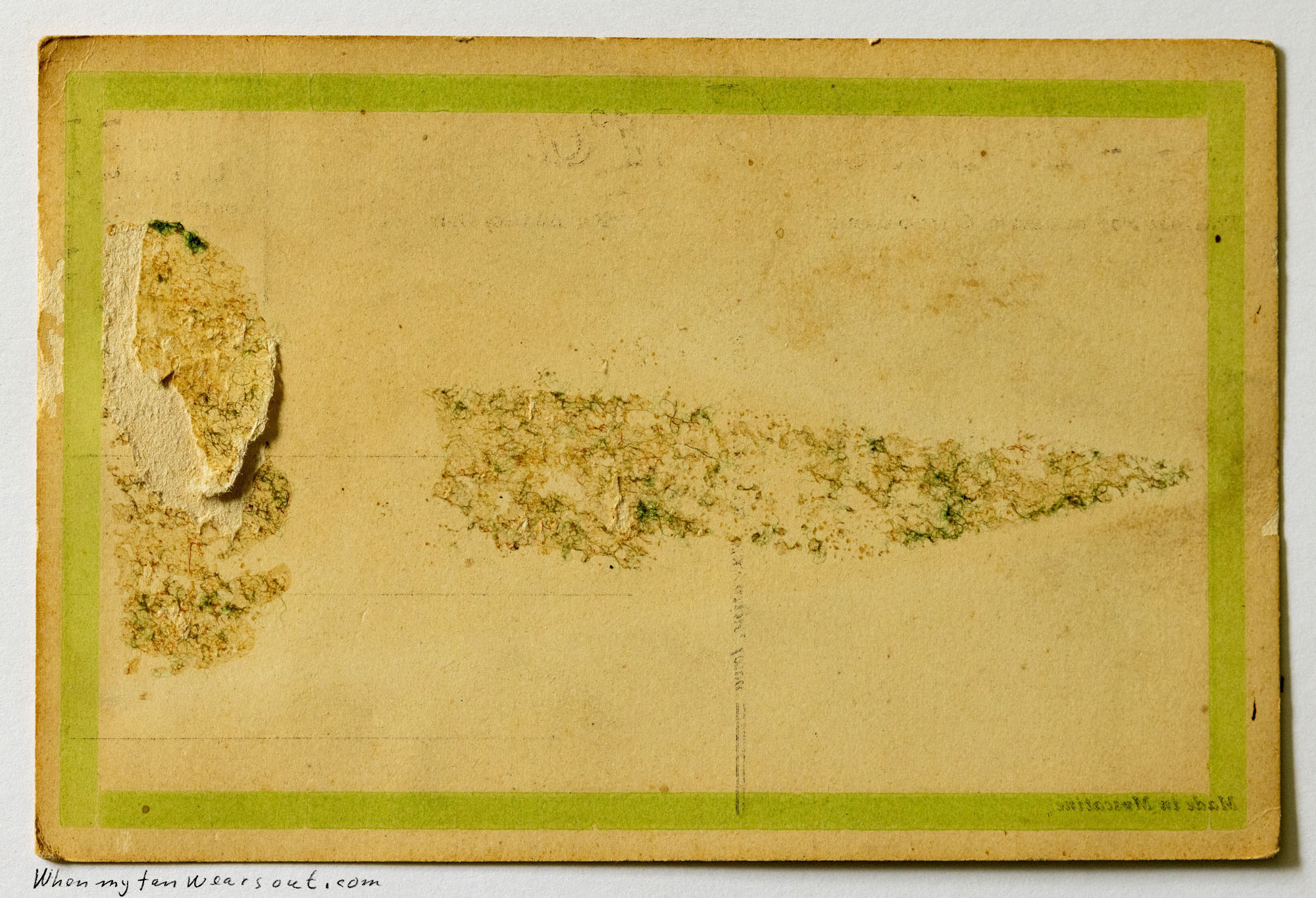
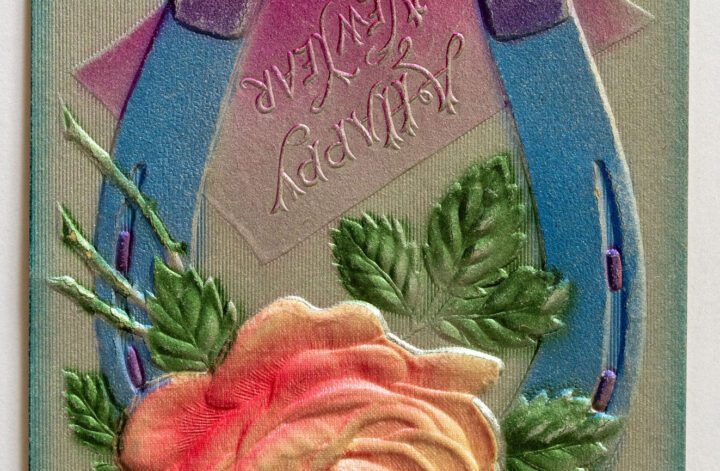
Notes: New Year card, handwritten number "#55" on back.
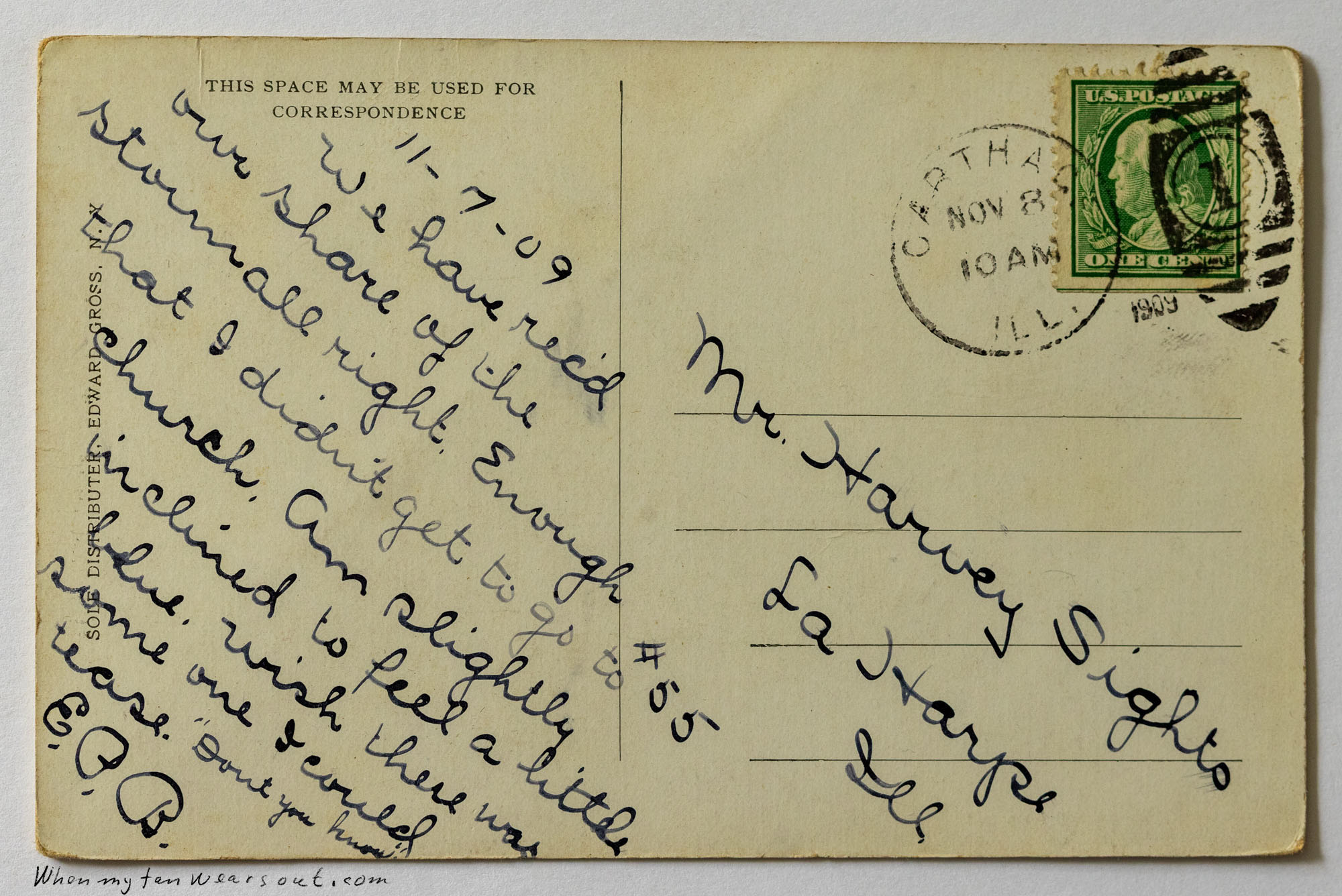
Back — 11-7-09 We have recd our share of the storm all right. Enough that I didn’t get to go to # 55 church, Am slightly blue, wish there was some one I could tease. "Dont you know" E. P. B.
Postcard Information
Postmark: CARTHAGE, ILL., NOV 8 1909
Sent To: La Harpe IL
Era: Golden Age (1907–1915)
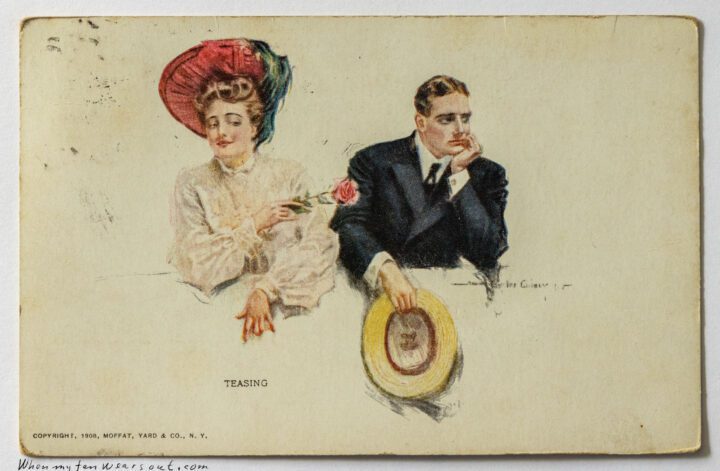
Publisher: EDWARD GROSS / MOFFAT, YARD & CO., N. Y.
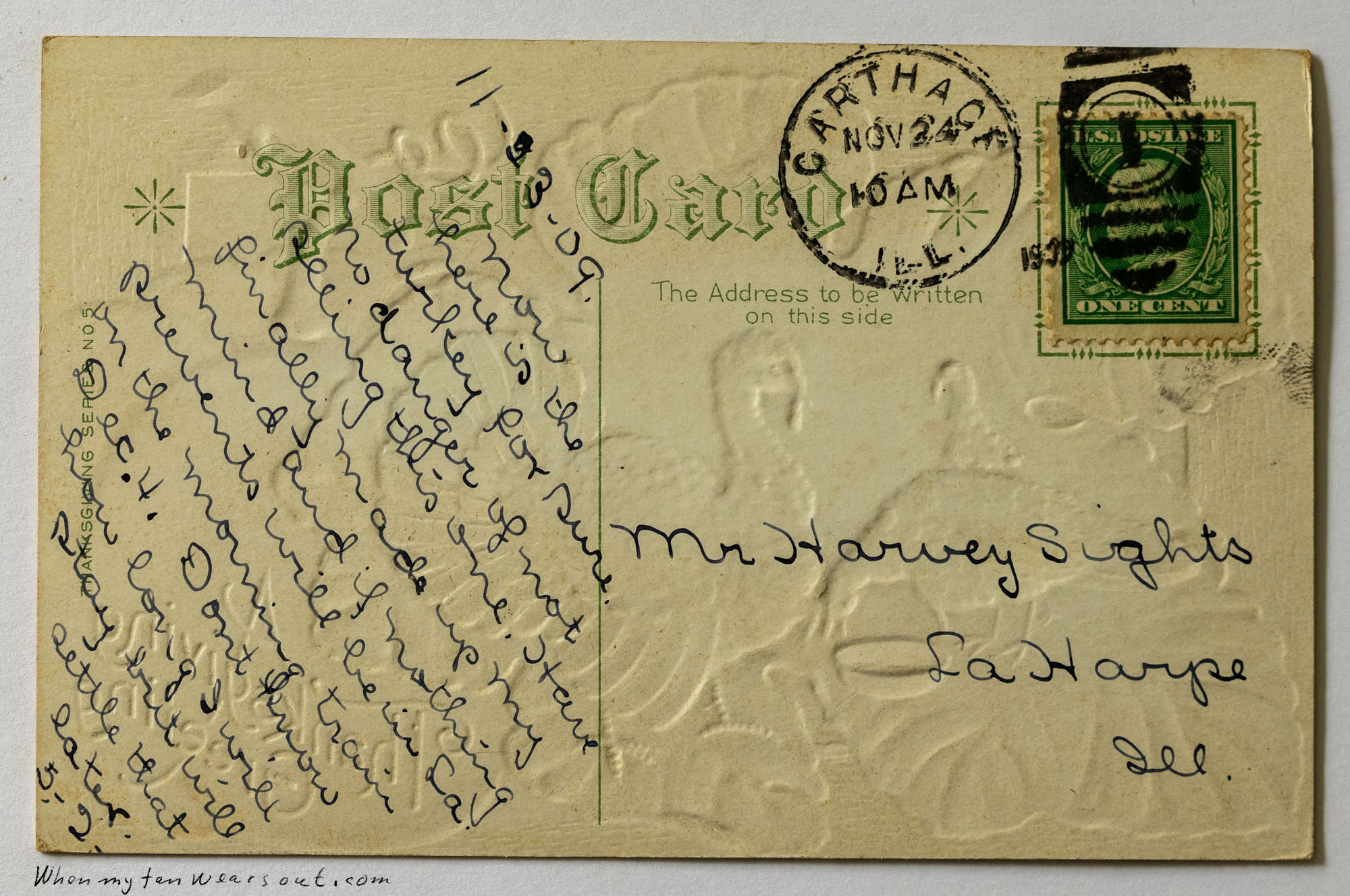
Back — 11-23-09. Well here is the turkey for sure. no danger of not being [?] this one. Have finally made up my mind and if nothing prevents will be in La on the morning train Wed. Dont know how long I will stay but will settle that later. E. [?]
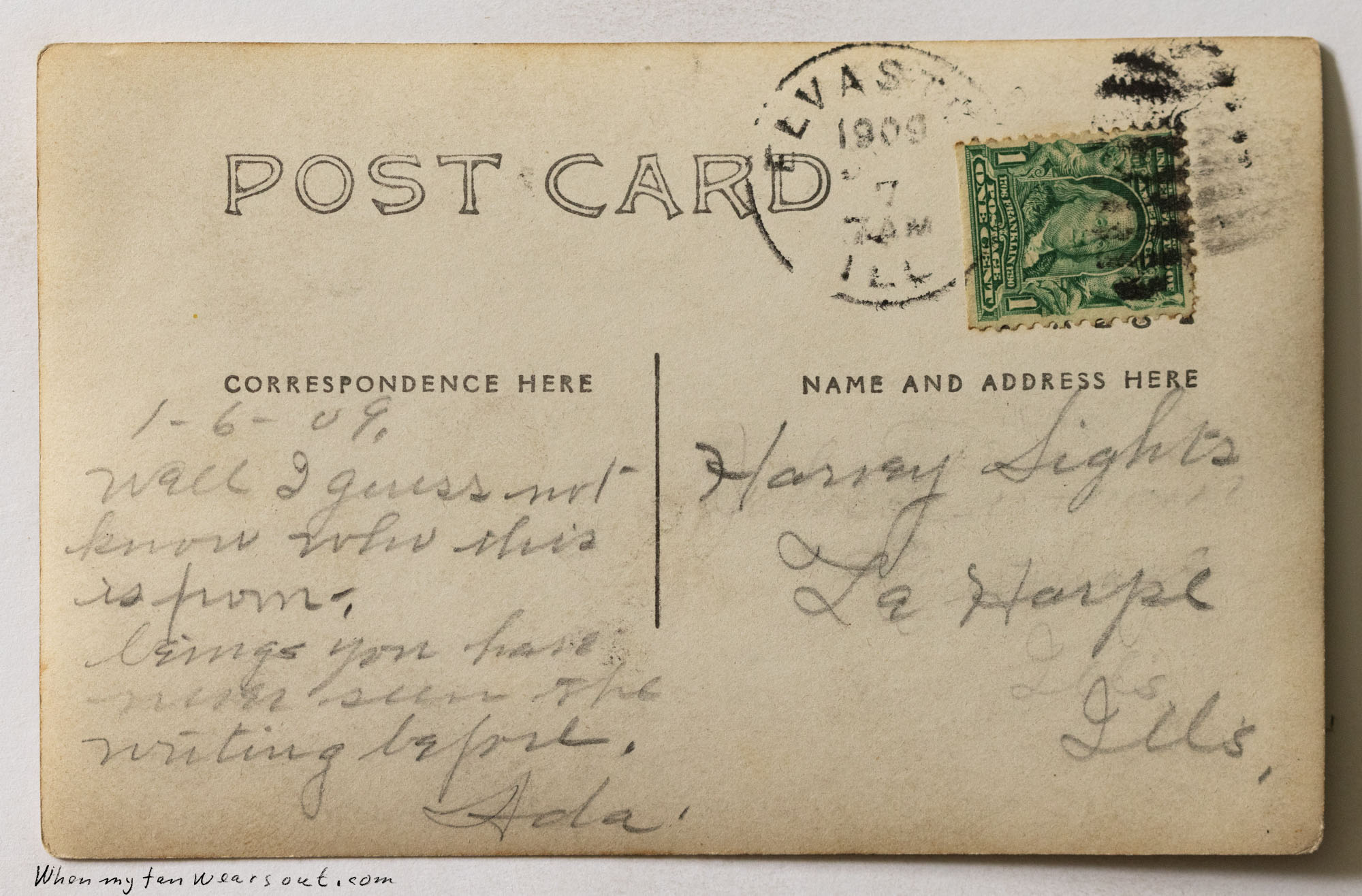
Back — 1-6-09. well I guess not know who this is from, being you have never seen the writing before. Ada.
Postcard Information
Postmark: ELVASTON, ILL., JAN 7 1909
Sent To: La Harpe IL
Era: Golden Age (1907–1915)
Stamp: 1¢
Distance Traveled: ~15 miles
About This Card
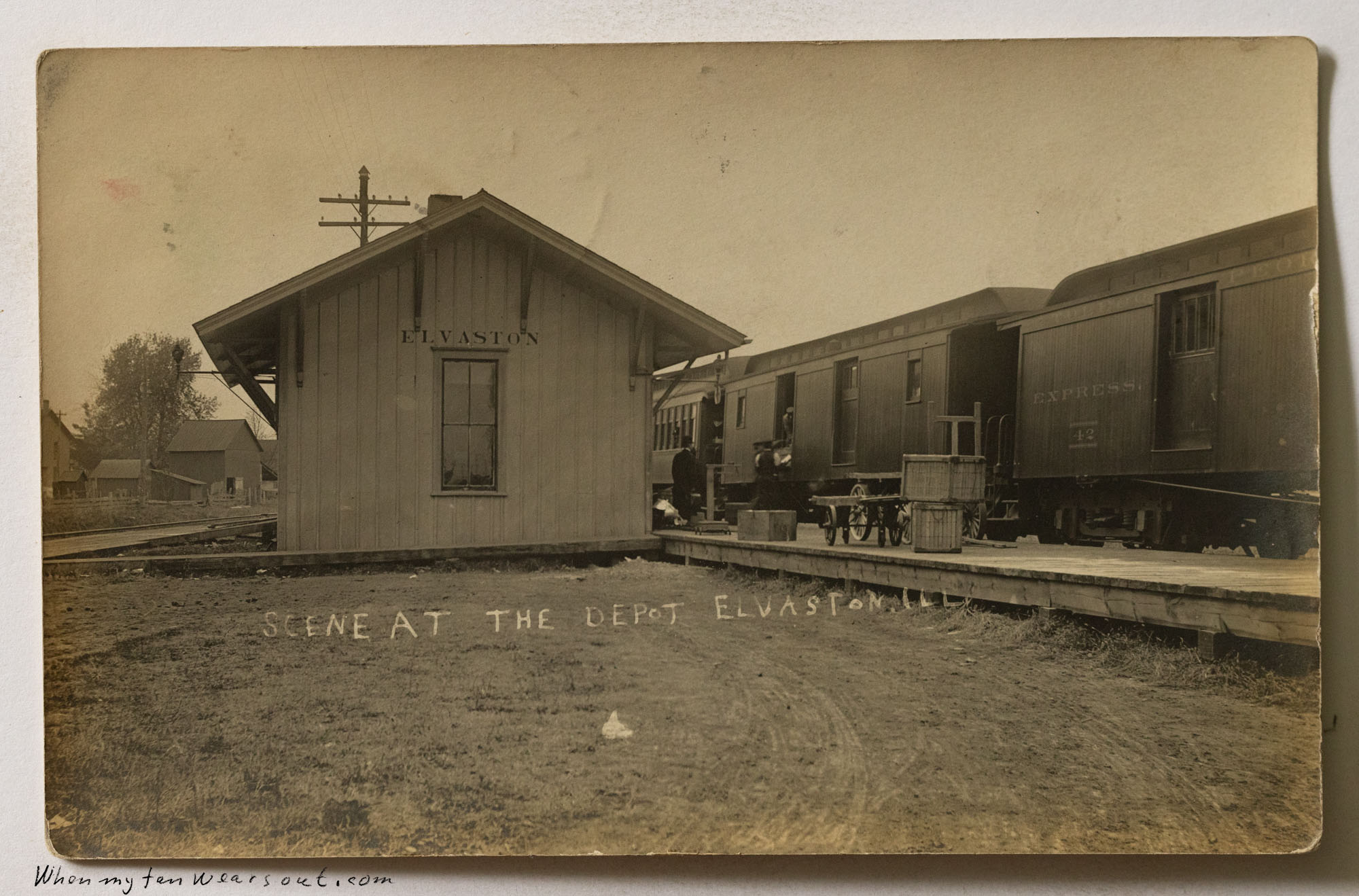
The train depot in Elvaston, Illinois was a small wooden station on a branch line serving the agricultural communities of western Hancock County. Elvaston is a minor town a few miles from the Mississippi, and its depot — shown here in a sepia real photo postcard — represented the minimum rail infrastructure that even the smallest communities expected in the early twentieth century. Ada sent this card from Elvaston. The depot is modest; the ambition of having a postcard made of it is not.
Back — Carthage Ill. 10-13-09 Hello Pearle. What do you know about this? Hope you will get this card safe. am glad you are having a good time only wish the weather was better. never mind the weather. Ask Harvey if he Dares me. Better not. Hallie.
Postcard Information
Postmark: CARTHAGE, ILL., OCT 13 1909
Sent To: La Harpe IL
Era: Golden Age (1907–1915)
Stamp: 1¢
Distance Traveled: ~15 miles
About This Card
The interior of the Presbyterian Church in Carthage, Illinois shows the characteristic worship space of a mainline Protestant congregation in a small county seat: pale walls, wooden pews, a central pulpit, colored glass in the windows. Hallie sent this real photo postcard from Carthage — the kind of postcard a congregation member might send to a friend who had moved away, showing what the church looked like inside. Carthage’s Presbyterian congregation was established in the early years of the town’s settlement and remained one of the city’s significant institutions.